Introduction
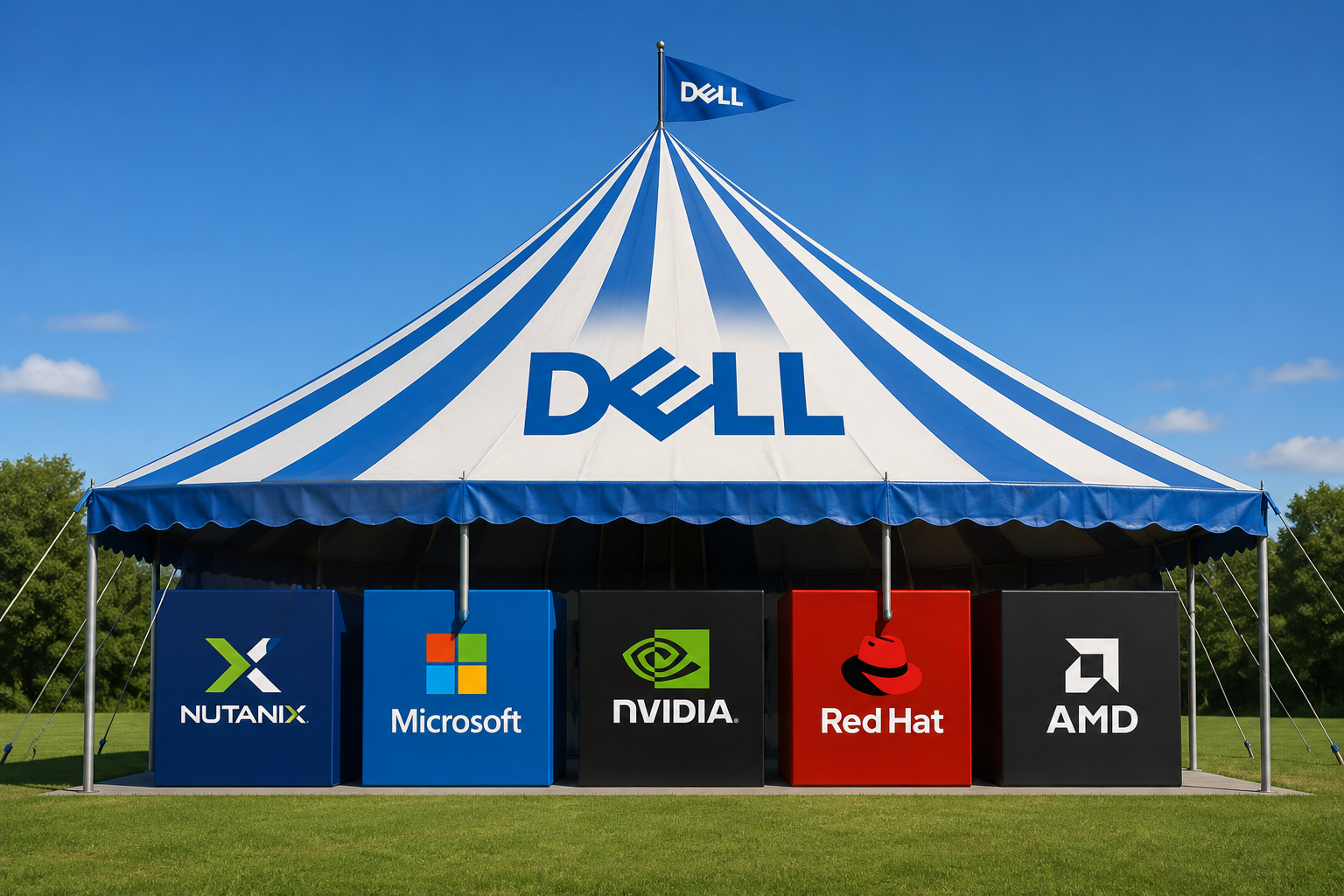
The enterprise infrastructure market is undergoing a profound transformation, with artificial intelligence at the core of this shift. Dell Technologies is positioning itself at the forefront of this change by dramatically broadening its network of alliances. This move, often described as a "big tent" approach, signals a strategic pivot from a hardware-centric model to a collaborative ecosystem. The question is no longer if Dell will adapt, but how these partnerships will define a new era in enterprise computing.
The Shifting Landscape of Enterprise Infrastructure
Traditional on-premise data centers are giving way to hybrid and multi-cloud environments. As organizations race to deploy AI workloads, they require infrastructure that is both powerful and flexible. Dell's historical strength in servers and storage is now being complemented by strategic tie-ups with software, cloud, and AI leaders. This shift is not just about adding partners—it reflects a fundamental change in how enterprise solutions are designed and delivered.
Why Partnerships Are Key
No single company can provide all the components for a modern AI stack. From specialized chips and accelerated computing to orchestration platforms and data management, the ecosystem is too complex. Dell recognizes that success depends on integrating best-in-class technologies from multiple vendors. This reduces risk for customers who want to avoid vendor lock-in while maintaining a unified management experience.
- Accelerated AI adoption: Partnerships with NVIDIA and AMD bring cutting-edge GPUs into Dell's PowerEdge servers.
- Cloud-native flexibility: Collaborations with VMware and Red Hat enable seamless hybrid cloud operations.
- Data intelligence: Alliances with Snowflake and Databricks help enterprises extract value from their data lakes.
Dell's 'Big Tent' Strategy in Action
Dell's expanded partnership ecosystem is not a random collection of deals. It reflects a deliberate strategy to create an open, interoperable platform. The company's Project Helix, for example, brings together Dell infrastructure with NVIDIA AI Enterprise software to deliver turnkey AI solutions. Similarly, the Dell APEX portfolio now integrates with major public cloud providers, allowing customers to manage on-prem and cloud resources from a single console.
Key Collaborations and Their Impact
- NVIDIA: Co-developed AI factories and reference architectures for generative AI workloads.
- Microsoft: Integration of Azure Arc with Dell's APEX for hybrid cloud management.
- Intel: Joint engineering for next-generation Xeon processors optimized for AI inference.
- Red Hat: OpenShift platform running on Dell infrastructure for containerized AI applications.
These alliances allow Dell to offer end-to-end solutions that competitors like HPE and Lenovo struggle to match. By aggregating partner technologies, Dell creates a "one-stop shop" for enterprise AI infrastructure, from the silicon to the software layer.

Implications for the AI Era
The strategic shift is already yielding results. Enterprise customers appreciate that they can deploy AI workloads on validated architectures without worrying about compatibility issues. Dell's partner ecosystem also accelerates time-to-value: instead of months of integration, solutions can be up and running in weeks.
Moreover, Dell's "big tent" approach extends to partnerships with service providers and system integrators. Companies like Accenture and Deloitte are collaborating with Dell to build custom AI solutions for industries like healthcare, finance, and manufacturing. This ecosystem effect creates a virtuous cycle: more partners attract more customers, which in turn attracts more partners.
Conclusion
Dell Technologies is executing a bold strategy to lead the enterprise infrastructure market through collaboration rather than isolation. By expanding its "big tent" of partners, Dell is not just responding to market shifts—it is actively shaping the future of enterprise AI. The company's ability to maintain this momentum will depend on how well it manages these alliances and continues to innovate. For organizations navigating the complex AI landscape, Dell's ecosystem offers a compelling path forward.