In a revealing conversation at a recent event, filmmaker Eugene Jarecki and tech entrepreneur Jack Dorsey delved into the intersection of Bitcoin, WikiLeaks, and artistic freedom. Jarecki’s documentary The Six Billion Dollar Man, which explores Julian Assange’s story, was rejected by major streaming platforms—leading to a discussion about how the Bitcoin community could bypass traditional gatekeepers. This article breaks down the key themes from their dialogue, from surveillance and censorship to the founding principles of the internet.
1. The Film That Streamers Wouldn’t Touch
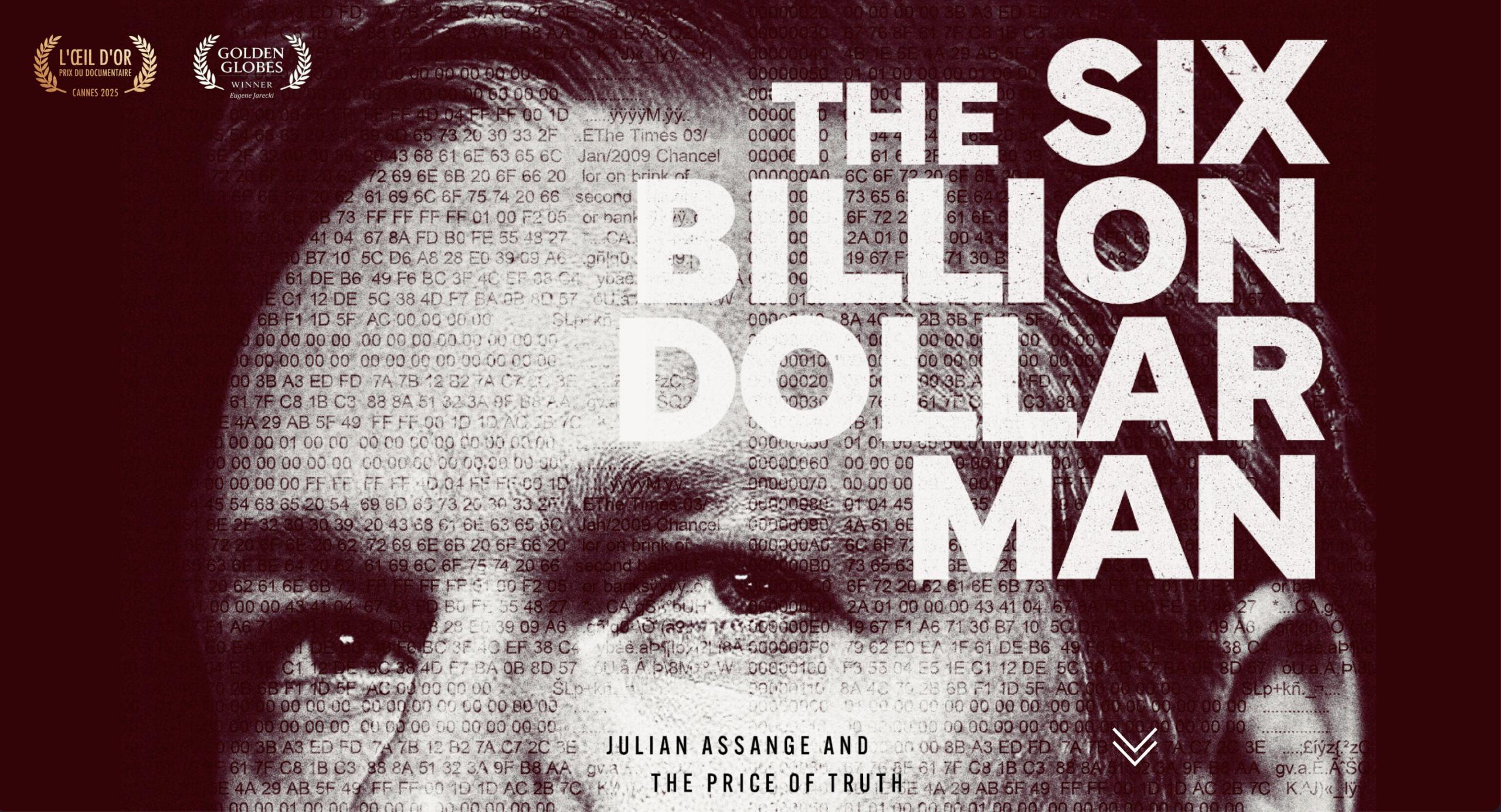
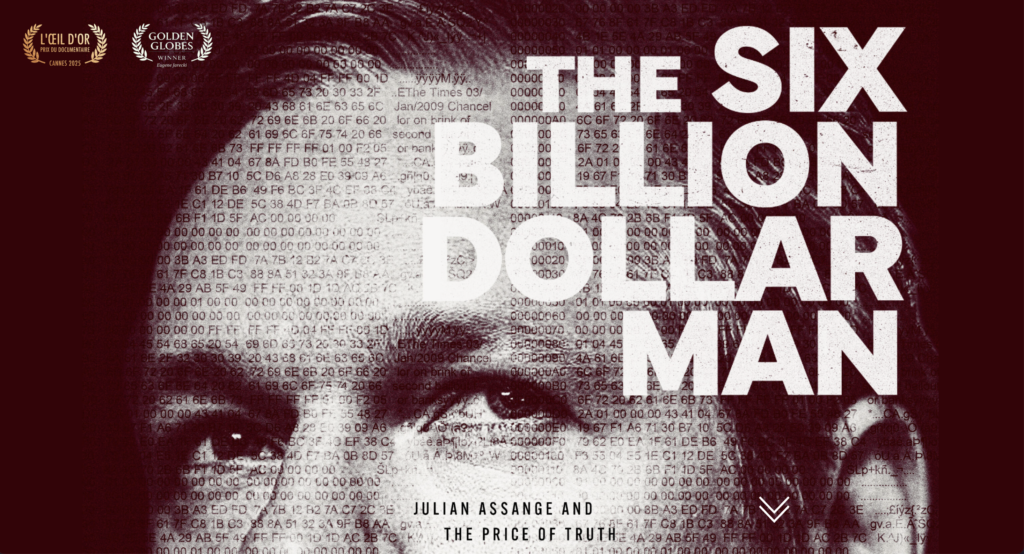
Jarecki’s documentary on Julian Assange premiered at Cannes to critical acclaim but failed to secure distribution from any major streaming service. Streamers like Netflix and Amazon turned down the film, citing its controversial subject matter. Jarecki argued that this rejection reflects a broader censorship dynamic, where platforms act as gatekeepers—deciding which stories reach the public. The film, The Six Billion Dollar Man, explores Assange’s legal battles and the surveillance state, making it politically charged. Without traditional distribution, Jarecki sought alternative avenues, eventually turning to Dorsey and the Bitcoin community for help.
2. The Casino Tied to Espionage
During the panel, Jarecki pointed out a striking coincidence: the casino located near the venue had previously contracted with the private security firm that spied on Assange while he lived in London’s Ecuadorian Embassy. This firm, which the documentary exposes, was hired to monitor Assange’s communications. The physical setting of the discussion thus underscored the themes of the film—surveillance and the erosion of privacy. Jarecki noted that the casino’s involvement added an extra layer of irony to the conversation, as it sits at the intersection of money, power, and secrecy.
3. Dorsey’s Pivot from Funding to Philosophy
When Jarecki initially approached Jack Dorsey for financial backing, the Twitter founder redirected the conversation. Instead of writing a check, Dorsey argued that the Bitcoin community itself embodied the principles Assange fought for—decentralization and freedom from censorship. He suggested that the community’s support could be more powerful than any single donation. Dorsey’s response highlighted a shift from viewing Bitcoin as a mere currency to seeing it as a movement that champions open access and resistance to control by centralized entities.
4. Bitcoin as an Open Protocol Without Gatekeepers
Dorsey described Bitcoin as “an open protocol for money transmission that routes around the gatekeepers—Visa, Mastercard, the banks.” This technical feature, he explained, aligns perfectly with the ideals of free expression. Unlike traditional financial systems that can be pressured by governments, Bitcoin operates on a peer-to-peer network that no single authority can shut down. Dorsey’s emphasis was on Bitcoin’s architecture: it is inherently resistant to censorship, making it a natural fit for projects like WikiLeaks that challenge institutional power.
5. Assange as a Hero of the Bitcoin Community
Dorsey noted that many in the Bitcoin community view Julian Assange as a hero. Assange’s work with WikiLeaks—releasing classified documents about government misconduct—mirrors the ethos of transparency and decentralization that Bitcoin advocates. The community sees Assange as someone who risked everything to uphold the principle that information should be free. Dorsey traced this value back to the early internet culture, where sharing and open access were paramount. For Bitcoiners, supporting Assange is not political; it’s about defending the foundational promise of the digital age.
6. The 2011 Turning Point: Bitcoin as a Lifeline for WikiLeaks
In 2011, a pivotal moment occurred: financial institutions, under pressure from the U.S. government, froze WikiLeaks’ bank accounts and cut off donation channels via Visa, Mastercard, and PayPal. In response, WikiLeaks turned to Bitcoin—the only payment system that couldn’t be blocked. Dorsey called this adoption “one of the most significant moments in Bitcoin’s early history.” It demonstrated a real-world use case under conditions of state pressure, proving that a decentralized currency could enable financial freedom when traditional rails fail. This event helped solidify Bitcoin’s reputation as a tool for resisting censorship.
7. Satoshi’s Selfless Exit: A Founderless Network
Dorsey emphasized the importance of Satoshi Nakamoto’s decision to disappear. Bitcoin’s creator walked away from the project after its early stages, leaving no central figure to target. Dorsey called this act “selfless” because it made the network resilient—no leader could be coerced or compelled to alter the protocol. This contrasts with projects that rely on a single figurehead, which become vulnerable to pressure. Dorsey drew a direct line between Satoshi’s anonymity and the strength of Bitcoin, arguing that a founderless system is inherently more resistant to government and institutional interference.
8. Parallels Between Assange and Snowden
Dorsey placed Julian Assange and Edward Snowden in the same category: individuals who trusted technology to expose the truth and paid a heavy price. Both acted on principles larger than themselves—Assange by publishing classified cables, Snowden by revealing mass surveillance programs. Dorsey argued that their sacrifices underscore the need for tools like Bitcoin that protect whistleblowers. He suggested that the crypto community has a moral obligation to support these figures, as their work aligns with the values of transparency and privacy that underpin the cryptocurrency movement.
9. The Risks of Filmmaking Under Surveillance
Jarecki shared that making the documentary involved tangible risks. While filming in Russia, his crew felt they were being followed and monitored. This experience added a layer of paranoia to the production, mirroring the surveillance state the film critiques. Jarecki noted that the threat of surveillance is not abstract—it affects journalists and filmmakers who tackle controversial topics. The documentary itself includes footage and stories of how governments track and target dissidents, making the film a meta-commentary on the very forces it exposes.
10. The Bitcoin Community as a Distribution Channel
Ultimately, the conversation turned to the Bitcoin community’s potential role as an alternative distribution network. Dorsey argued that rather than relying on traditional gatekeepers, the community could fund, promote, and distribute content like Jarecki’s film directly to a global audience. This model, he suggested, represents a shift toward decentralized media that bypasses censorship. Jarecki expressed cautious optimism, noting that while Bitcoin offers a financial backbone, the community must also build the infrastructure for sharing information. The dialogue ended with a call to action: to support projects that protect free speech and resist control.
In conclusion, the discussion between Jack Dorsey and Eugene Jarecki highlighted how Bitcoin’s ethos of decentralization can intersect with pressing issues of censorship, surveillance, and freedom of speech. From the rejection of a documentary by streaming services to the historic moment when Bitcoin kept WikiLeaks afloat, the conversation underscored the power of open networks. As Dorsey put it, Bitcoin is not just a currency—it’s a vehicle for routing around gatekeepers and preserving the original ideals of the internet. Whether through funding, distribution, or moral support, the Bitcoin community has a unique opportunity to champion stories that challenge the status quo.