May 2026 Skywatching Overview
May 2026 brings a trio of celestial highlights: the swift Eta Aquarid meteor shower peaking before dawn, a brilliant Moon-Venus conjunction after sunset, and a rare Blue Moon to close the month. Whether you’re an early riser or an evening observer, the night sky offers plenty to explore.
Eta Aquarid Meteor Shower Peaks in Early May
The Eta Aquarid meteor shower reaches its peak on the nights of May 5 – 6. These shooting stars are debris from Halley’s Comet, which last visited the inner solar system in 1986 and won’t return until 2061. As Earth passes through the comet’s dusty trail each year, tiny particles burn up in our atmosphere, creating bright streaks across the sky.
When and Where to Watch
The best time to observe the Eta Aquarids is in the hours before dawn, looking generally toward the eastern sky. The meteors appear to radiate from the constellation Aquarius, which gives the shower its name. Under ideal, dark skies, you might see up to 50 meteors per hour at peak.
What Makes These Meteors Special?
Eta Aquarid meteors are exceptionally fast, entering Earth’s atmosphere at about 40 miles per second. Their high speed often produces lingering glowing trails that can last a moment after the initial flash, adding to the spectacle.
Viewing Tips for Best Results
- Find a location far from city lights with an unobstructed view of the eastern horizon.
- Allow your eyes 20 – 30 minutes to adapt to the darkness. Avoid looking at bright screens, including your phone.
- Be aware that the Moon will be fairly bright around the peak (a waning gibbous phase), which may wash out fainter meteors. Focus on the brighter ones.
- Dress warmly and bring a reclining chair or blanket for comfortable viewing.
A Stellar Evening: Moon-Venus Conjunction on May 18
On May 18, look west just after sunset to see a stunning pairing: the crescent Moon and Venus shining close together. Venus, often called the “Evening Star,” is one of the brightest objects in our sky, making this conjunction easy to spot even in twilight.
The Moon’s crescent shape will point the way to Venus, creating a beautiful celestial tableau. Although they appear near each other from our perspective, they are actually separated by millions of miles in space. This alignment offers a perfect opportunity for photography or simply enjoying the view.
May Ends with a Rare Blue Moon
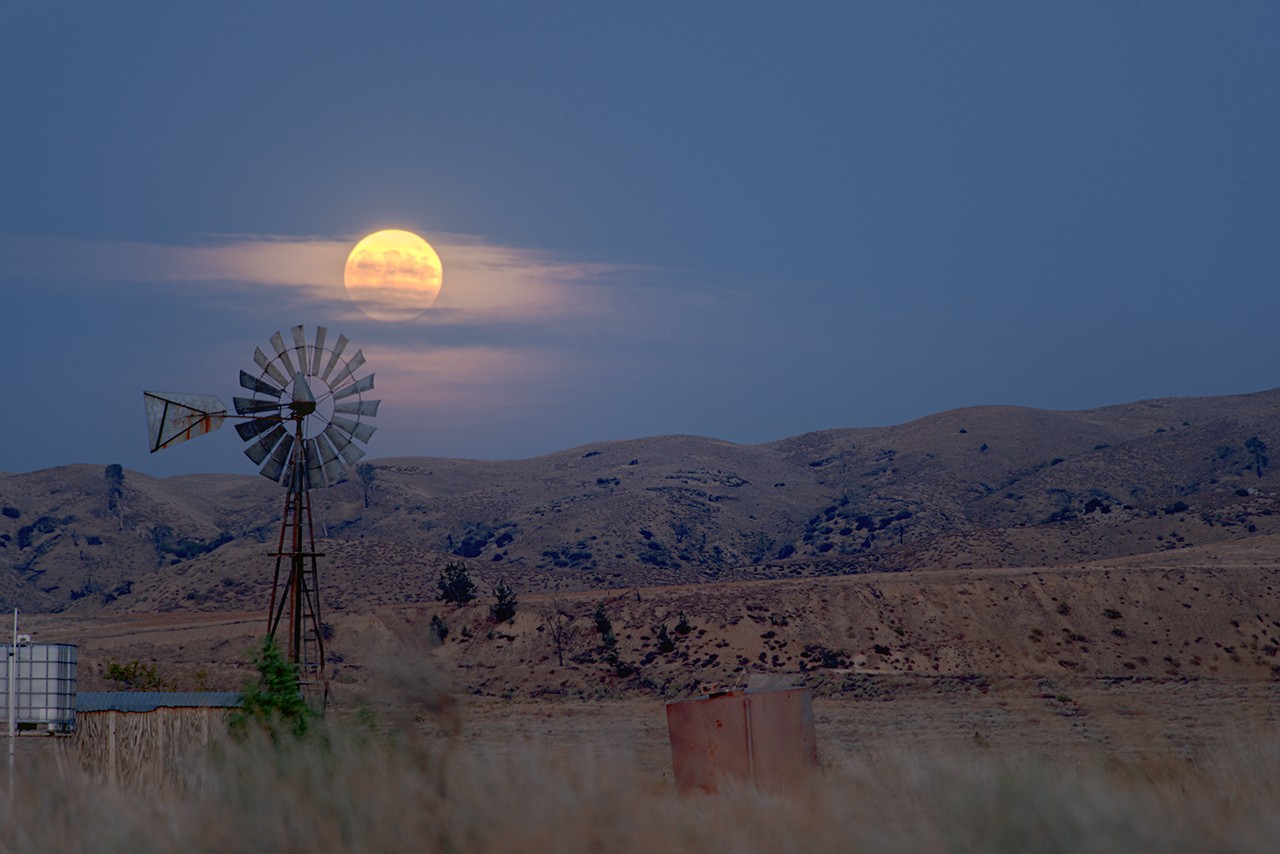
Mark your calendar for May 31—a Full Moon that qualifies as a Blue Moon. Despite the name, the Moon will not appear blue. The term “Blue Moon” traditionally refers to the second Full Moon in a single calendar month, an event that occurs roughly every 2.5 years. Hence the expression “once in a blue moon.”
This Full Moon follows the one on May 2, so May 2026 has two Full Moons—a lunar rarity. The Blue Moon rises at sunset, offering a brilliant nightscape for skywatchers.
Bonus: Recalling April’s Artemis II Launch
Last month, Artemis II launched around the time of the April 1 Full Moon, sending astronauts around the Moon for the first time in over 50 years. It gave us spectacular new views of our nearest neighbor, setting the stage for future lunar exploration.
Your May Skywatching Checklist
Whether you’re up before sunrise or out after sunset, May 2026 offers compelling reasons to look up. Here’s a quick summary:
- Early May (5 – 6) – Eta Aquarid meteor shower before dawn, east.
- May 18 – Moon and Venus conjunction after sunset, west.
- May 31 – Blue Moon (second full moon of the month).
Find a dark spot, let your eyes adjust, and enjoy the wonders of our universe. Happy skywatching!